





Qatari LNG Carrier Transits Strait of Hormuz for First Time
Source:CNSS
2026-05-11
Reuters reports that, according to LSEG shipping data, the Qatari LNG carrier Al Kharaitiyat departed from Qatar's Ras Laffan port on Saturday local time, bound for Port Qasim in Pakistan, and is currently approaching the Strait of Hormuz. Should the vessel successfully transit, it would be the first Qatari LNG carrier to navigate the strait since the outbreak of the US-Iran conflict.
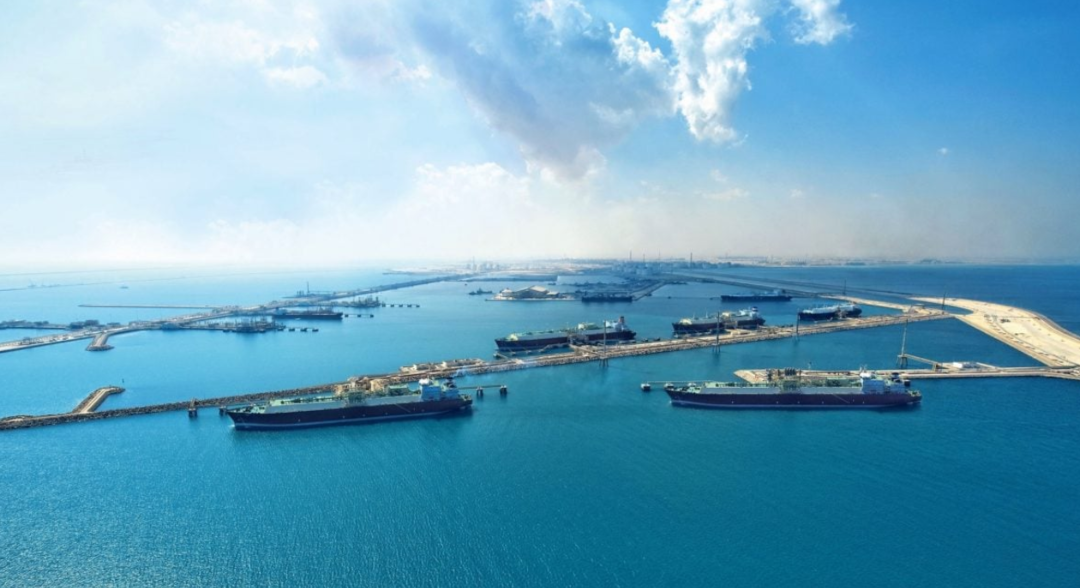
According to two sources familiar with the matter, this LNG cargo is being supplied by Qatar to Pakistan under an intergovernmental agreement. The sources indicated that Iran has approved the shipment, viewing it as a means to build trust with both Qatar and Pakistan. One source with knowledge of the arrangement told Reuters that Pakistan has been in discussions with Iran to allow the passage of a limited number of LNG carriers through the Strait of Hormuz to address Islamabad's increasingly urgent natural gas shortages. The source added that Iran agreed to assist, and the two sides are coordinating the safe passage of the first vessel. The gas carried aboard is supplied under an agreement between Pakistan and its primary LNG supplier, Qatar.
LSEG data shows that Al Kharaitiyat is managed by Qatar's Nakilat Shipping Qatar Ltd, flies the flag of the Marshall Islands, and has a cargo capacity of 211,986 cubic metres.
The development follows the interception of two Qatari LNG carriers—Al Daayen and Rasheeda—by Iran's Revolutionary Guard on April 6 while they were approaching the Strait of Hormuz. A source at the time revealed that the Revolutionary Guard ordered the two vessels to remain in position without providing any explanation. The successful passage of Al Kharaitiyat therefore marks an important turning point in the shipping situation in the Strait of Hormuz.
Qatar is the world's second-largest LNG exporter. Recent Iranian attacks have crippled roughly 17% of Qatar's LNG export capacity. Repair work is expected to sideline approximately 12.8 million tonnes per annum of production capacity for three to five years, a development that will have a profound impact on global LNG market supply dynamics.
Hot News