





Collective Freight Rate Hikes, Up to US$2,600!
Source:CNSS
2026-06-05
Global ocean freight rates have surged sharply, driven primarily by the major east-west trade lanes, reaching their highest levels in a year. Analysis suggests that major shipping lines are capitalizing on an early peak season by preemptively launching substantial freight rate increases to meet impending cargo demand and maximize profits.
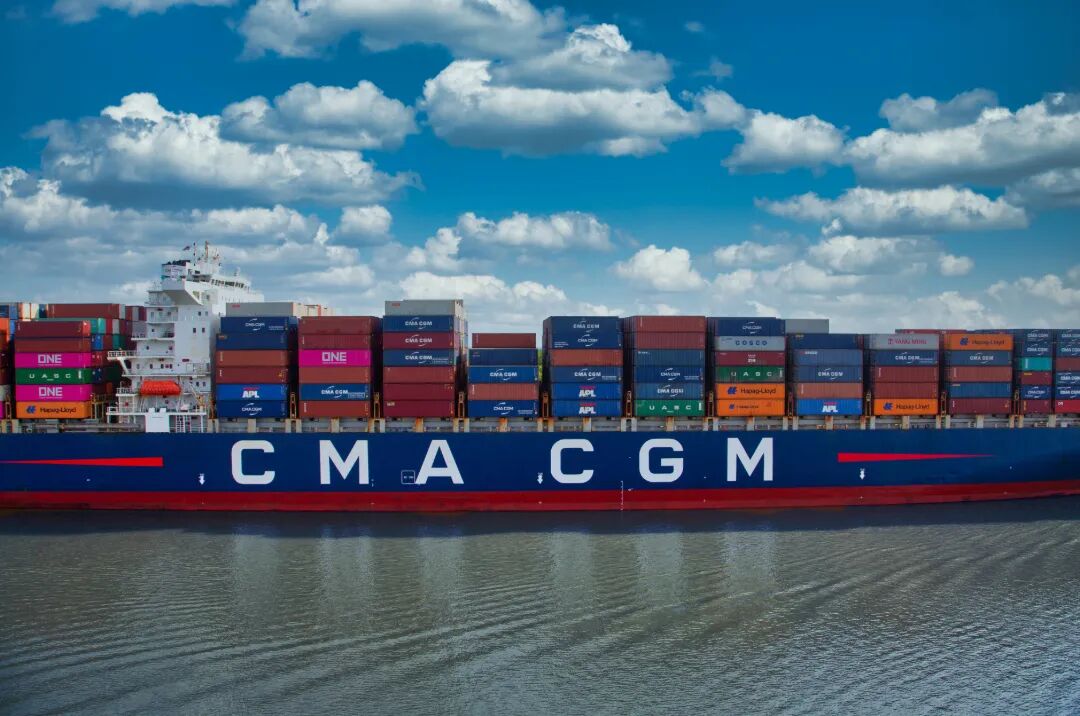
On June 3 alone, CMA CGM and Hapag-Lloyd announced multiple freight rate increases, covering mainline routes from Asia to North Europe and several routes to the North American East Coast.
CMA CGM announced a Peak Season Surcharge (PSS) of US$600 per TEU for cargo from Asia to North Europe loaded on June 15. From July 1, it will impose a PSS of US$1,300 per TEU / US$2,600 per FEU on cargo originating from the Eastern Mediterranean. Additionally, CMA CGM announced PSS implementation on routes from the West Mediterranean to the US and Canada West Coast, as well as from China to South Africa and Mauritius.
The company also announced a Rate Restoration (RR) surcharge for cargo moving from North Europe to the US East Coast, Mexico, and the US Gulf Coast, with rates increasing by US$300 per TEU and US$600 per FEU effective July 2.
Hapag-Lloyd, for its part, raised rates on the Mediterranean to North America route by US$300 per TEU and US$600 per FEU. On June 2, the company also announced a PSS of US$1,000 per container on cargo from the Indian Subcontinent, Pakistan, and Saudi Arabia to North America, effective July 1.
AP Moller-Maersk also announced a PSS of US$1,000 per container on intra-Asia routes to Sri Lanka on June 2.
Meanwhile, the Freightos Baltic Index edged up US$19 to US$2,889 per FEU, reaching its highest level in nearly a year.
According to TradeWinds, behind this round of freight rate increases lies what freight forwarder Zencargo describes as an "abnormally early summer peak season." A surge in demand on major Far East routes, compounded by ongoing instability in the Middle East, is further exacerbating the market's supply-demand imbalance.
Zencargo stated in a client report: "Transpacific rates are soaring, primarily because shippers are rushing to move goods ahead of tariffs scheduled to take effect in July. The surge in Asia-Europe demand is a result of shippers proactively advancing peak season cargo... On both trades, cargo volumes far exceed available capacity, and vessel space needs to be booked three to six weeks in advance."
Shipping analytics firm Linerlytica notes that the upward trend has been triggered by increased demand for clean energy products and shifts in US import tariff policy. Spot freight rates on other major routes originating from Asia have also broadly risen, with increases exceeding US$1,000 per FEU, representing a rise of approximately 25%. In early June, rates on the Asia to US East Coast route have reached US$6,333, while rates on the North Europe and Mediterranean routes have jumped to around US$4,000 and US$5,500 respectively.
Linerlytica expects this strong momentum in container freight rates to persist at least until the end of July. Carriers are taking advantage of robust peak season demand, building on successful June 1 rate hikes and PSS impositions to push through further increases in mid-June, while freight futures markets are already pricing in a market peak for July.
Hot News