


Saudi East-West Oil Pipeline Shut Down After Attack; Bypass Lifeline Around the Strait of Hormuz Severed
Source:
2026-09-14
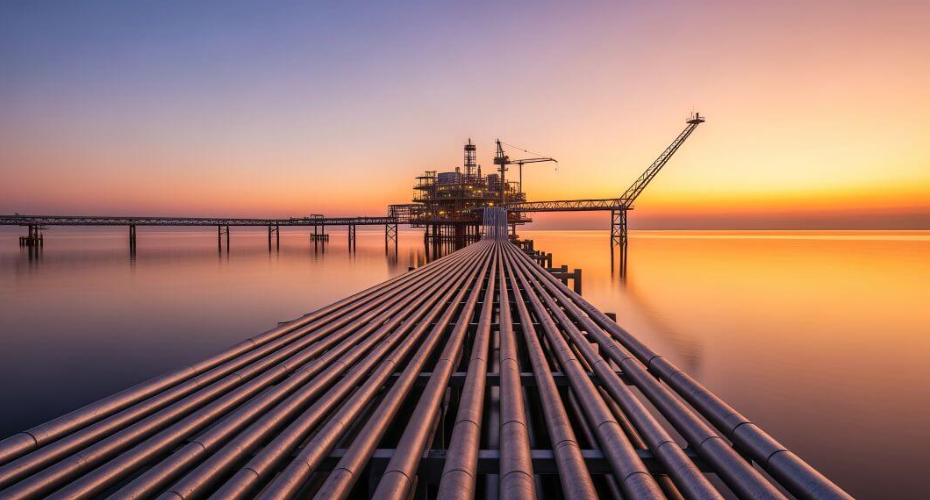
According to a statement from the Saudi Ministry of Energy and multiple international media reports, on September 10 local time, Saudi Arabia’s East-West oil pipeline was attacked by multiple drones in the Riyadh and Medina areas, causing injuries and damage to facilities. On September 11, the Saudi Ministry of Energy announced “precautionary shutdown” measures for the pipeline, and emergency teams have begun repairs and security assessments.
Attacks Came from the Direction of Iraq
The Saudi Ministry of Foreign Affairs condemned the attack by multiple drones from the direction of Iraq. NASA satellites detected abnormal heat sources along the pipeline south of Medina, and CNN, citing U.S. officials, reported that a pipeline pumping station was hit by munitions and caught fire. The Iraqi side confirmed that the drones took off from southern Maysan Province. Prime Minister al-Zaidi has ordered the dismissal of the commander of the Maysan Operations Command and established an investigation committee, while also closing the Shalamcheh border crossing with Iran. No group has yet claimed responsibility.
A Core Corridor Bypassing the Strait of Hormuz
The East-West pipeline is about 1,200 kilometers long and connects Saudi Arabia’s eastern oil-producing region with the Red Sea port of Yanbu. It has a designed daily oil transmission capacity of 7 million barrels, of which about 5 million barrels are for export. Amid a backdrop in which the Strait of Hormuz is nearly unable to support normal navigation, the pipeline was transporting about 4 million to 5 million barrels per day before the attack, equivalent to 4% to 5% of global oil supply. Experts at the U.S. Atlantic Council pointed out that if the pipeline remains closed for a long period, it will pose enormous challenges.
Saudi Arabia Temporarily Refrains from Retaliation
The Saudi Ministry of Foreign Affairs said that, at the request of the Iraqi prime minister, it will not take retaliatory action at this stage so that the Iraqi government can take measures to stop the attacks, but it reserves the right to safeguard national security. U.S. President Trump said Iran is “very likely” responsible for the attack, and confirmed that Saudi Arabia had requested military assistance, but Washington is currently only providing intelligence support.
Houthi Forces Seize Key Location at the Bab el-Mandeb Strait
Almost simultaneously, Yemen’s Houthi forces took control of Perim Island in the middle of the Bab el-Mandeb Strait on September 11, and Saudi-backed Yemeni government forces have withdrawn. In the previous week, the Houthis successively seized Mokha port, the Zubab area, and the Hanish Islands along Yemen’s west coast. Perim Island can cover the busiest navigation area of the strait and is regarded as the “key” to the Red Sea. Affected by this, vessel traffic through the Bab el-Mandeb Strait has already halved.
Oil Price Risks Are Rising
International Energy Agency data show that Saudi Arabia’s crude oil supply fell to 6 million barrels per day in August, a more than 30-year low. Brent crude closed at $104.61 per barrel on Friday, up more than 8% for the week. Capital Economics economists warned that if the pipeline suffers major damage, oil prices could rise to $120 per barrel. The Gulf Cooperation Council has condemned the attack. Saudi Arabia said it will announce repair progress at an appropriate time.
Hot News