


$178 Million: This Shipowner Sells 3 Vessels, Cashing Out at the Top!
Source:
2026-09-24
Recently, Oman’s Asyad Shipping Company disclosed that, as part of its ongoing fleet renewal and portfolio optimization strategy, it has reached agreements to sell two Very Large Crude Carriers (VLCCs) and one Medium Range (MR) product tanker, and has received advance payments in the two transactions. Judging from the transaction prices and profit impact, this is a typical case of “cashing out at the top”: locking in gains while older tonnage remains attractive in the market, while making room for newbuilding deliveries.
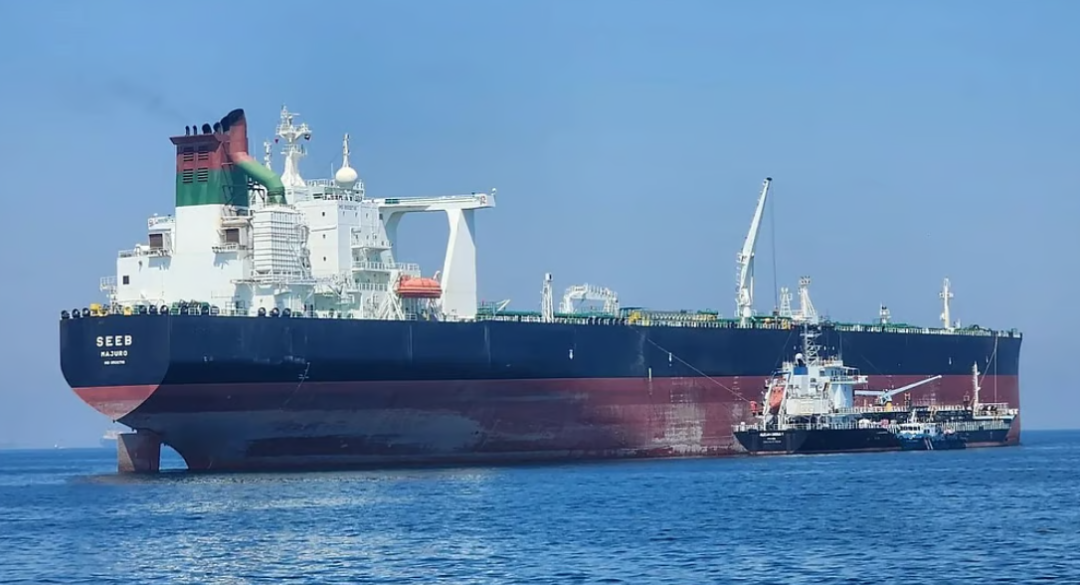
The two VLCCs sold by Asyad Shipping are the “Seeb” and the “Samail.” The total transaction price is set at $160.2 million, with the down payment received on September 18. Both vessels were built in 2011 and have been operating in the company’s fleet since delivery.
Under the arrangement, the company will continue to operate the “Samail” until October or November and the “Seeb” until mid-January 2027, after which the vessels will be delivered to their new owners. Meanwhile, four newbuilding VLCCs are scheduled to join the fleet by the end of 2026. The company expects the two VLCC transactions to recognize a total positive profit impact of approximately $75.3 million across the reporting periods in 2026 and 2027.
Based on the total transaction price of $160.2 million, this profit impact accounts for about 47% of the total transaction price, with an average selling price of about $80.1 million per vessel, clearly showing the characteristics of cashing out at the top.
In another separate transaction, Asyad Shipping has completed the sale of the 2008-built MR tanker “Al Amerat” for total consideration of approximately $17.5 million. The company received a 10% advance payment on September 20, and the remaining amount is expected to be collected upon delivery of the vessel at the end of September.
The company expects the disposal of this 18-year-old product tanker to generate a positive profit/loss impact of about $1.3 million. Even though the vessel is old, the transaction still achieves a positive return.
Overall, Asyad Shipping’s transaction logic is clear: on the one hand, it is selling older vessels at relatively good prices to lock in asset gains; on the other hand, it is using newbuilding VLCCs to take over core crude oil transportation capacity. The two transactions are expected to bring a total positive profit of about $76.6 million while promoting the rejuvenation of its fleet and optimization of its capacity structure.
Hot News