


DNV: More than 200 LNG bunkering vessels needed by 2030
Source:
2026-09-11
According to DNV, the Norwegian classification society, worldwide, in addition to LNG carriers specifically used to transport liquefied natural gas (LNG) cargo, 900 other commercial vessels are already capable of using LNG as fuel and are in operation; another 650 have been ordered and will be delivered by 2030. This means that LNG bunkering demand will continue to grow over the coming years, creating opportunities for owners and operators of dedicated LNG bunkering vessels.
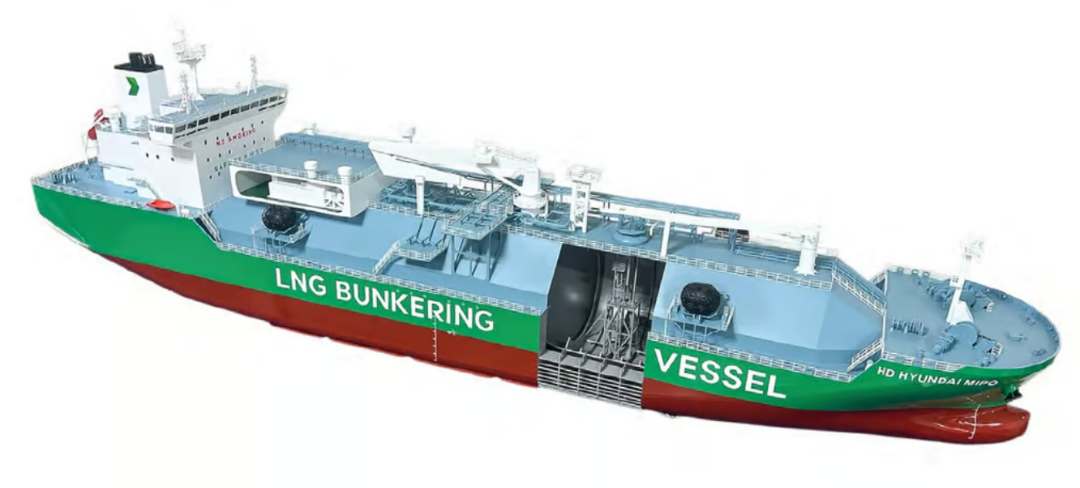
Between 2020 and 2024, LNG consumption by LNG dual-fuel ships soared by more than 500%, and DNV predicts it will grow by nearly another 170% by 2030. As demand continues to grow, the classification society believes that a gap is emerging between LNG bunkering vessel capacity supply and bunkering service demand, especially in certain regional markets. However, precise forecasting is not easy, because LNG bunkering demand depends on price: as long as standard marine fuel is the most cost-effective option, LNG-capable vessels can switch to it, and they often do so during periods when LNG prices are extremely high.
DNV points out that these bunkering vessels are themselves unique and purpose-built. They are built from the outset for safe STS transfer, not for port-to-port transport. During transfer, the transfer lines must recover vapor from the receiving vessel to keep the pressure in the receiving vessel’s tanks at a safe level, and these vapors must be handled by oxidation, pressurized storage, or reliquefaction on board the bunkering vessel. The lines must also be equipped with emergency release couplings so that, in an emergency, the bunkering vessel and receiving vessel can be safely separated during transfer. They must be highly reliable in order to operate in congested port environments, and are usually equipped with parallel, fully independent propulsion systems (twin propellers).
For these reasons, DNV believes it is possible to convert small conventional LNG carriers into dedicated bunkering vessels—but only if the technical factors and the vessel’s role are carefully considered in advance.
There are currently about 58 LNG bunkering vessels in operation worldwide (including barges), the vast majority with capacities below 14,000 cubic meters—less than one-tenth the size of a full-size LNG carrier. To meet maximum projected LNG bunkering demand in 2030 (assuming all LNG-capable vessels use only LNG as fuel), DNV predicts that more than 200 bunkering vessels will be needed. Most newbuildings currently under construction in this segment are larger than before, with capacities between 18,000 and 20,000 cubic meters.
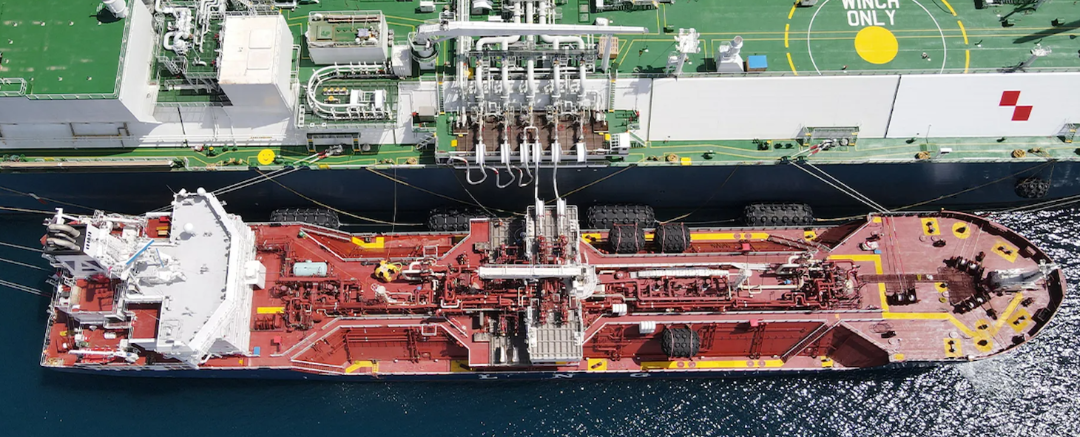
Most of the growth in bunkering service demand is expected to occur in Asian markets. Compared with other regions, Asian operators are building the largest bunkering vessels, and in greater numbers. DNV notes: “This indicates that long-term supply capacity is being strategically built around major container, bulk, and industrial shipping corridors.”
DNV also notes that meeting LNG bunkering demand requires more than the bunkering vessels themselves. Ports must have LNG storage infrastructure, bunkering vessel berths, and supporting operational systems to make them run smoothly. It is also a technical process with significant safety considerations, requiring additional training and skills to carry out.
STS operations are routine in shipping, but liquefied gases such as LNG bring new considerations: the receiving vessel may be a container ship or bulk carrier, and its crew may have varying levels of experience with LNG, increasing the need for training, procedural compliance, and regulation to support safe operations.
Hot News