


HSBC CEO: In Five Years, the Strait of Hormuz Will No Longer Matter
Source:
2026-10-27
Georges Elhedery, CEO of HSBC Group, recently stated that the Strait of Hormuz could lose most of its importance within five years, as Gulf states invest in alternative pipelines and export routes.
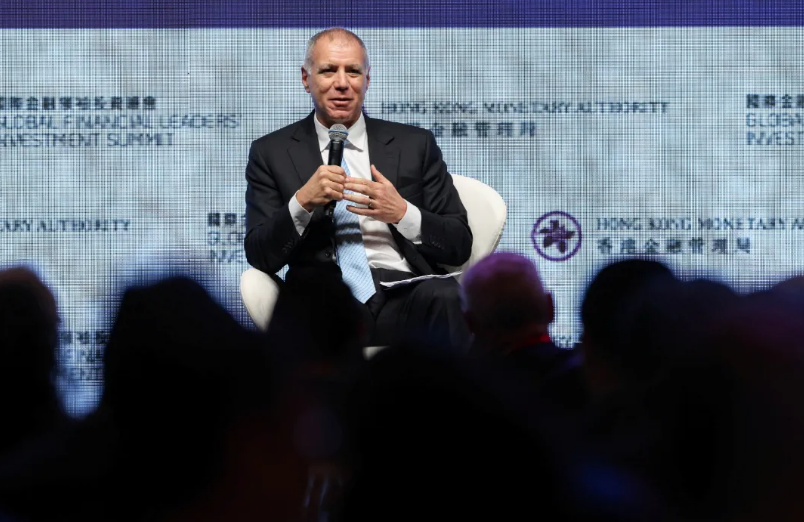
Elhedery said the US-Iran conflict exposed the risks of over-reliance on this narrow waterway, prompting Gulf states to invest in new infrastructure so they can ship energy supplies to international markets without depending entirely on the strait.
Speaking at HSBC's Future Forum in Dubai last week, he expressed confidence that the region can recover from the conflict and continue to grow through increased investment.
"We do believe that the region can recover and continue to grow. That will mean significant investment... Of course, we do hope and expect the conflict to be resolved... but the Strait of Hormuz could become redundant in five years," he said.
The Strait of Hormuz connects the Persian Gulf with the Gulf of Oman and the Arabian Sea. It previously carried about one-fifth of global oil and LNG trade and is a critical passage for global energy supplies.
Shipping through the waterway is currently disrupted, heightening concerns about the vulnerability of global energy supplies and the economic consequences of the Middle East conflict. Gulf states are directing resources toward pipelines, ports and other transport facilities to enable oil-producing countries to access international markets through alternative routes.
According to a report released by HSBC last week, there are US$872 billion worth of single-project packages awaiting launch across the Middle East, North Africa and Turkey, forming part of US$1.4 trillion in planned infrastructure projects not yet awarded. These investments are expected to support economic activity and strengthen the region's ability to withstand future shocks.
Despite the ongoing conflict, business leaders and institutional investors still regard the Gulf region as an attractive investment destination. HSBC's survey of more than 1,600 business leaders and about 820 institutional investors found that interest in the region persists.
However, the economic outlook remains challenging. The World Bank previously forecast that the Middle East, North Africa and Pakistan region will contract by 1.3% in 2026, compared with growth of 3.3% in 2025, mainly due to the impact of the conflict. The World Bank expects a strong but uneven recovery in 2027.
Hot News