


Africa Begins Charging a Carbon Levy on Shipping
Source:
2026-11-18
More African countries are advancing plans to impose carbon fees on international shipping, potentially exposing shipowners—who are already coping with European environmental regulations—to yet another regional emissions regime.
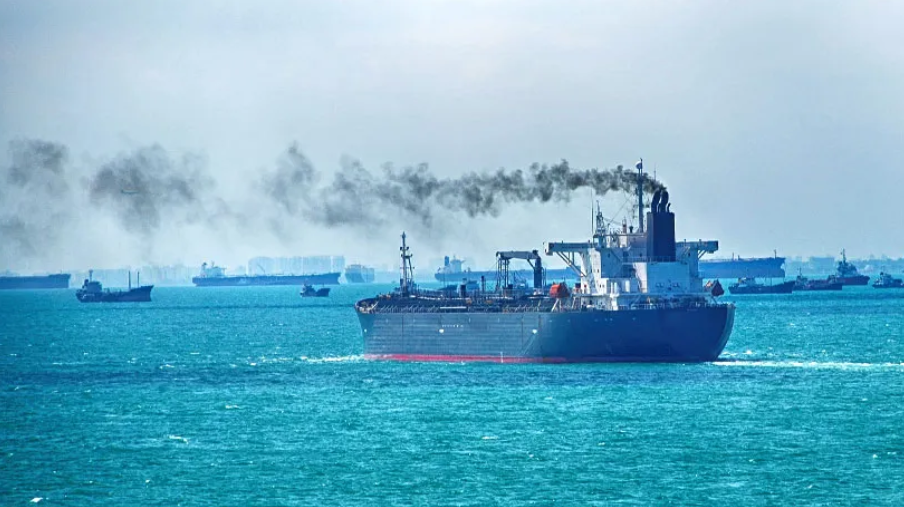
At the COP31 climate summit in Antalya, Turkey, Guinea, Côte d’Ivoire and Mauritania signed an agreement to jointly develop a coordinated scheme for charging ships for their carbon emissions. The initiative is being promoted by the African Sovereign Carbon Registry Foundation (ASCRF) and builds on existing mechanisms in Djibouti and Gabon. Its goal is to create a continent-wide framework to raise climate finance from international shipping and aviation.
Under the model pioneered by Djibouti, ships are charged for 50% of the CO₂ emissions generated on voyages to and from the country, at a rate of $17 per tonne. Gabon has adopted a similar approach and raised its national carbon fee in September. The revenue is intended to support national climate adaptation and energy transition projects.
The latest agreement brings the number of countries participating in the proposed African Union-style arrangement to six, although Liberia’s involvement remains disputed. Monrovia stated earlier this year that it would not unilaterally impose a carbon tax on international shipping. Several other African countries are also considering similar measures.
This development comes at a sensitive moment for shipping decarbonisation negotiations. The International Maritime Organization (IMO) is due to resume discussions later this month on its proposed global emissions framework.
Unlike the EU Emissions Trading System, the arrangements currently in force in Africa levy a fixed fee rather than requiring companies to purchase tradable emissions allowances. The three latest participating countries have not yet announced implementation dates or final charging arrangements.
Hot News